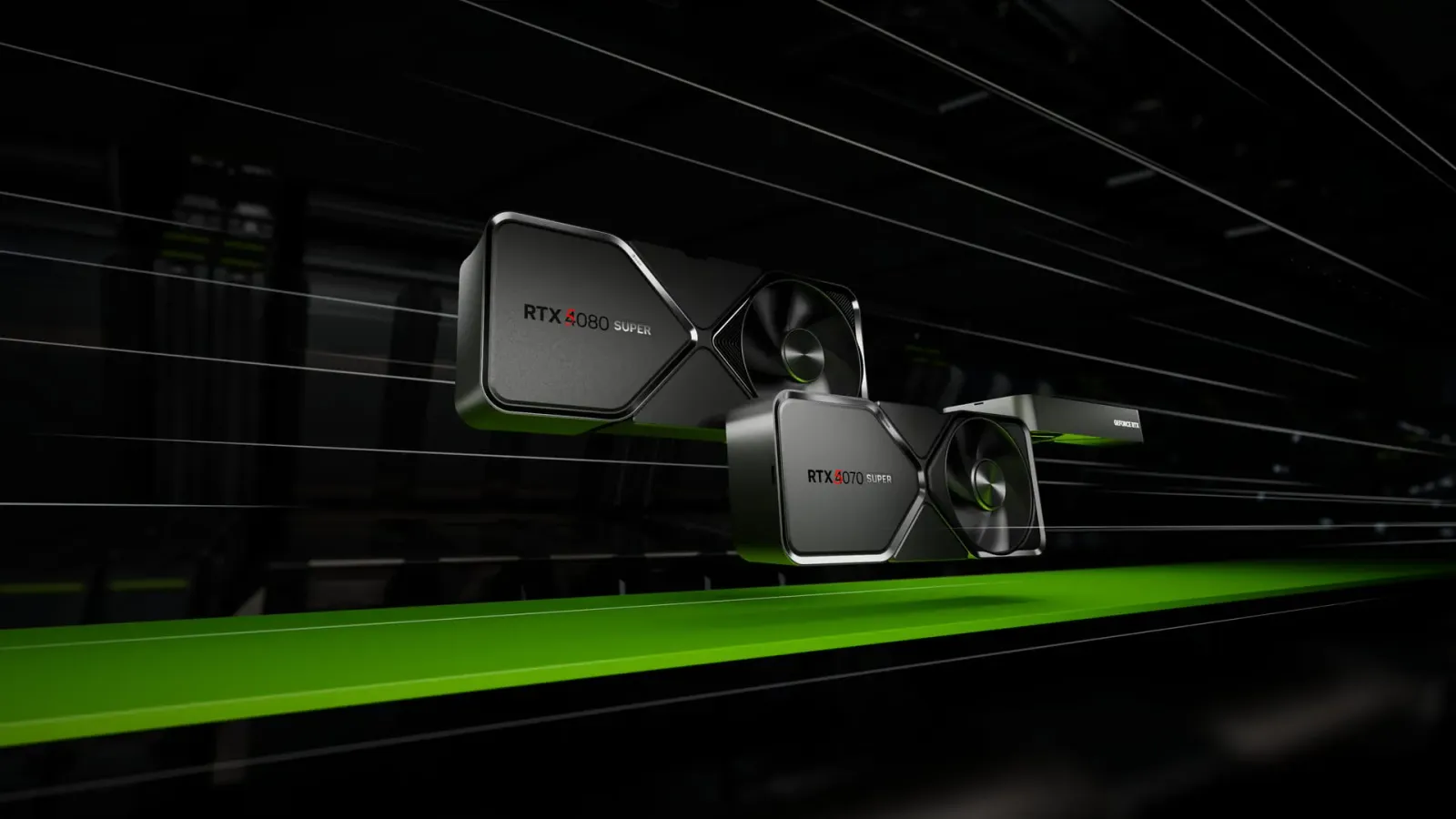

The anticipated mid-cycle "Super" refresh of NVIDIA's RTX 50 series graphics cards may be in jeopardy. Reports (or more accurately: rumors) emerging today suggest that shortages of 3GB GDDR7 memory modules could delay or potentially cancel the RTX 50 Super lineup.
The Core Issue: 3GB GDDR7 Memory Scarcity
The cancellation rumors stem from hardware leaker Uniko's Hardware reports (via VideoCardz) that 3GB GDDR7 modules, which are essential for the planned RTX 50 Super series, are in severe supply constraints. These modules would be a cornerstone of Nvidia's likely strategy to address one of the biggest criticisms of the current RTX 50 lineup: insufficient VRAM capacity for modern games.
due to the crazy shortage recently, 3gb gddr7 cant make it to the consumer market for desktop, thus the super series is cancelled. and the current models are expected to be more expensive very soon, because of the increasing cost of 2gb gddr7. pic.twitter.com/yMSMj1MjqJ
— UNIKO's Hardware 🌏 (@unikoshardware) November 7, 2025
It's been widely reported that DRAM prices have surged an incredible 172% year-over-year through Q3 2025 with industry analysts warning that the situation will likely worsen before getting better. The reason is unprecedented demand from the AI sector, which has disrupted the memory supply chain. Cloud service providers and AI startups are apparently locking in multi-year contracts at premium prices, effectively removing vast quantities of memory from the consumer market. Samsung, SK Hynix, and Micron have all shifted production priorities toward high-margin products like HBM (High Bandwidth Memory) for AI accelerators, none of which is good news for affordable graphics cards.
Whatever limited supply of 3GB GDDR7 modules will exists could be redirected to more profitable products, such as RTX Pro 6000 Blackwell Series. Professional workstation cards come with substantially higher margins than consumer GPUs (an RTX Pro 6000 currently retails for over $8,000).
What the RTX 50 Super Series Promised
According to earlier leaks, this is what the expected Super variants would offer:
| Super 2026 Refresh (Rumored) |
RTX 5070 | RTX 5070 Super | RTX 5070 Ti | RTX 5070 Ti Super | RTX 5080 | RTX 5080 Super | RTX 5090 |
|---|---|---|---|---|---|---|---|
| GPU | GB205 | GB205-400 | GB203 | GB203-350 | GB203 | GB203-450 | GB202 |
| CUDA Cores | 6,144 | 6,400 | 8,960 | 8,960 | 10,752 | 10,752 | 21,760 |
| Memory | 12GB GDDR7 | 18GB GDDR7 | 16GB GDDR7 | 24GB GDDR7 | 16GB GDDR7 | 24GB GDDR7 | 32GB GDDR7 |
| Memory Bus | 192-bit | 192-bit | 256-bit | 256-bit | 256-bit | 256-bit | 512-bit |
| Memory Speed | 28 Gbps | 28 Gbps | 28 Gbps | 28 Gbps | 30 Gbps | 32 Gbps | 28 Gbps |
| TDP/TGP | 250W | 275W | 300W | 350W | 360W | 415W | 575W |
| MSRP | $549 | TBA | $749 | TBA | $999 | TBA | $1,999 |
| Status | Available | Rumored | Available | Rumored | Available | Rumored | Available |
The key to the VRAM capacity increases would be swapping 2GB GDDR7 modules for 3GB variants, without redesigning the underlying GPU architecture. This would have addressed widespread complaints about the limited 12GB on the RTX 5070 and the 16GB ceiling on higher-tier cards – capacities that many consider inadequate for 4K gaming in 2025.
It's not just about capacity either. These newer modules potentially offer improved power efficiency and bandwidth optimization, leading to better overall performance for the Super series. The GB203 and GB205 GPUs powering these cards were reportedly designed with flexibility to accommodate either memory configuration, suggesting that the Super refresh was planned from the beginning.
Impact on Current RTX 50 Series Pricing
What's even more concerning for consumers are potential price hikes on existing RTX 50 models, as the cost of 2GB GDDR7 modules is also rising rapidly. The RTX 5080 and RTX 5070 Ti, which both use sixteen 2GB GDDR7 modules for their 16GB configurations, are particularly vulnerable to these cost pressures.
Nvidia has released Super variants for every generation since the RTX 20 series, so a potential cancellation or extended delay would be notable.
On the other hand, this is still only a rumor at this point in time – and Nvidia hasn't even officially confirmed the RTX 50 Super series – so it's much too early to jump to conclusions.